
Braces vs. Invisalign: Which Is Right for Busy Adults in Porter Ranch?

Adults in Porter Ranch are busier than ever—balancing careers, parenting, commutes, and health
priorities. Orthodontic treatment is no longer just cosmetic; it’s about long-term function, airway health, bite correction, and protecting natural teeth. Fortunately, today’s orthodontic options—modern braces and clear aligners—are vastly more advanced than what most adults remember from childhood.
At our practice, we treat a growing number of adults every month. The question isn’t “Should I get
treatment?” It’s “Which treatment option fits my lifestyle, goals, and biology best: braces or Invisalign?”
Modern Braces: Nothing Like the Braces You Remember
The days of pinch bands and bulky brackets are over. Today’s braces are engineered for efficiency,
comfort, and precision. Our office uses three next-generation systems depending on the case:
- Mini Master Twin Series: A refined version of traditional braces with smaller, more comfortable brackets.
- Self-Ligating Braces: Designed for frictionless movement and faster mechanics without elastic ties.
- 3D-Printed LightForce Braces: Fully customized to each tooth for superior accuracy, shorter treatment times, and aesthetics.
Why Adults Still Choose Braces
Modern braces provide powerful tooth movement with minimal patient effort. They work 24/7—no
remembering, removing, or managing required.
Key Benefits of Braces for Adults:
- Root movement and torque
- Bite correction and retraction
- Tooth rotations
- Complex orthodontic mechanics
- Compliance-free results

Many adults appreciate the “autopilot” nature of braces. You don’t have to think about them—they
perform consistently regardless of schedule.
Invisalign & Clear Aligners: A Powerful Option for Lifestyle Flexibility
Clear aligners have completely changed what is possible for adults. Today’s aligner systems provide
precise control for finishing, detailing, and managing minor-to-moderate bite corrections—without
brackets or wires.
Key Benefits of Clear Aligners for Adults:

- Nearly invisible in professional and social settings
- Removable for meals, photos, and important events
- Easier dental hygiene with normal brushing and flossing
- Fewer in-office visits, ideal for busy schedules or travel
- Advanced planning software and virtual monitoring
- Excellent finishing control in many cases
However, aligners require discipline. Adults who do not wear trays at least 20–22 hours per day will
compromise their results and extend treatment time. Compliance is the deciding factor.
Pros & Cons Snapshot: Braces vs. Invisalign
Braces (Mini Twin / Self-Ligating / LightForce)
Pros:
- Hands-off and always working
- Superior for root movement and bite correction
- Best for derotation and retraction mechanics
- No compliance issues
- Modern, smaller brackets for comfort and aesthetics
Cons:
- Hygiene requires more effort
- Some visibility (even with ceramic/low-profile options)
- Dietary adjustments needed
- Occasional wire or bracket discomfort
Invisalign / Clear Aligners
Pros:
- Nearly invisible
- Easy brushing and flossing
- Fewer appointments with remote monitoring
- Removable for meals and events
- Strong detailing and finishing control
Cons:
- Requires consistent wear (20–22 hours/day)
- Less effective if compliance slips
- Lifestyle adjustments needed
- Not always ideal for major retraction or torque
- Can be lost or damaged
Who Is a Better Fit for Each?

Braces May Be Best If You:
- Prefer a “set it and forget it” approach
- Have a demanding schedule with no time to manage trays
- Need major rotational or root movement
- Have a deep bite, crossbite, or significant crowding
- Want maximum mechanical efficiency
Invisalign May Be Ideal If You:
- Want a discreet option for work or social settings
- Are comfortable managing aligners consistently
- Value meal flexibility and easier hygiene
- Prefer fewer in-office visits
- Want precise detailing or finishing control
Can You Do a Hybrid Treatment? Yes.
Many adult patients benefit from a mixed approach. For example:
- Phase 1: Braces for root control and bite correction
- Phase 2: Invisalign for finishing, alignment, and detailing
Hybrid treatment often reduces total time in brackets and allows for greater comfort and flexibility during the finishing stages.
Frequently Asked Questions
What is life with braces like as a young adult?
Modern braces are low-profile and comfortable. Young adults adapt quickly, and treatment blends easily into school, work, and social life.
What about adults in their 30s, 40s, or beyond?
We treat adults in every decade of life. Customized systems like LightForce and self-ligating brackets
allow efficient treatment with minimal discomfort and fewer visits.
Can I mix braces and Invisalign?
Yes. A hybrid plan can maximize efficiency and reduce time in visible appliances.
Are all clear aligners the same?
No. Differences in software, materials, trimlines, and monitoring systems significantly impact results and comfort.
What types of braces are available today?
• Mini Master Twin brackets
• Self-ligating systems
• 3D-printed LightForce custom braces
Am I too old for braces?
Age is not a barrier. As long as gums and bone are healthy, orthodontic treatment can be both functional and cosmetic.
What is the “Brace Face Drip” trend?
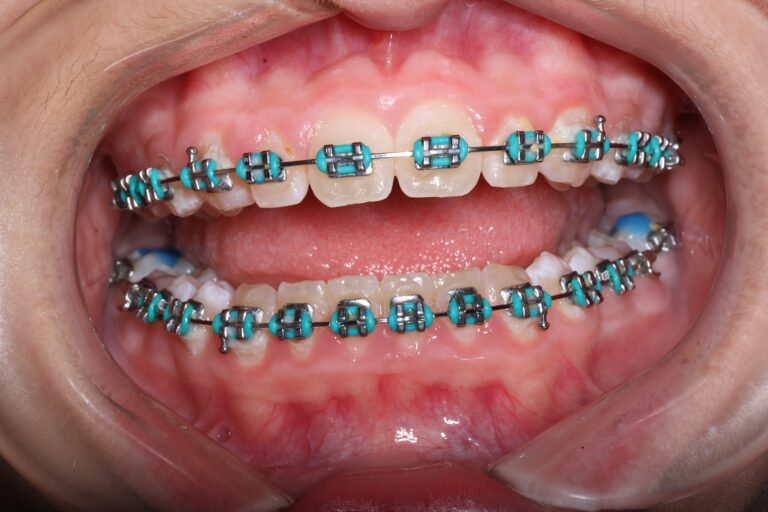
A modern social trend where adults and teens intentionally showcase their braces as a fashion statement instead of hiding them—custom colors, gold brackets, and decorative styling.
People Also Ask
Are braces or Invisalign faster for adults?
Braces work continuously and do not rely on compliance. Invisalign can be just as fast with perfect wear.
Can Invisalign handle complex cases?
Many can, but braces are often better for significant rotations, bite changes, and root movement.
How often are appointments?
Braces: typically every 6–10 weeks.
Invisalign: fewer visits, especially with virtual monitoring.
Is Invisalign more comfortable?
Aligners eliminate brackets and wires, reducing irritation. Braces may cause soreness after adjustments.
Is Invisalign more expensive?
Not necessarily. Costs depend on the complexity and technology used. In many cases, prices are similar.
Can aligners fix overbites or crowding?
Mild to moderate cases respond well. More complex cases may still favor braces or hybrid treatment.
Do I need to avoid foods with braces?
Yes, sticky, hard, and chewy foods should be limited. Invisalign has no food restrictions.
Can I switch from braces to aligners mid-treatment?
Yes. Many adults finish with Invisalign after starting with braces.
Final Take: Choose the Option That Fits Your Life
There is no one-size-fits-all solution. The right treatment depends on:
- Lifestyle and schedule
- Compliance level
- Bite and bone structure
- Aesthetic preferences
- Complexity of movement

What busy adults in Porter Ranch truly need is guidance from an experienced orthodontist who
understands both biomechanics and lifestyle demands. Whether the best path is braces, Invisalign, or a hybrid plan, the goal is the same—lifelong health, stability, and a confident smile.
If you’re considering treatment, we encourage you to schedule a consultation and let us design the most efficient, personalized plan for your needs.
Expert Insight from a Board-Certified Orthodontist

“Choosing a treatment modality ultimately comes down to personal preference—but most of the time
during your consultation, I’ll help guide you toward the option that best fits your goals, lifestyle, and bite.
We take a detailed history, listen carefully, and walk you through the pros and limitations of each
approach. Whether you’re someone who wants an auto-pilot experience with braces or your case is ideal for clear aligners, a board-certified orthodontist has the knowledge and clinical insight to help you decide with confidence.”
— Dr. Shaun Dadjoo, Board-Certified Orthodontist


Great post