
Airway Focused Orthodontics & MARPE for Adults
MARPEs and Airway Orthodontics
The #1 Biohack for Beter Breathing, Sleep, & Facial Esthetics
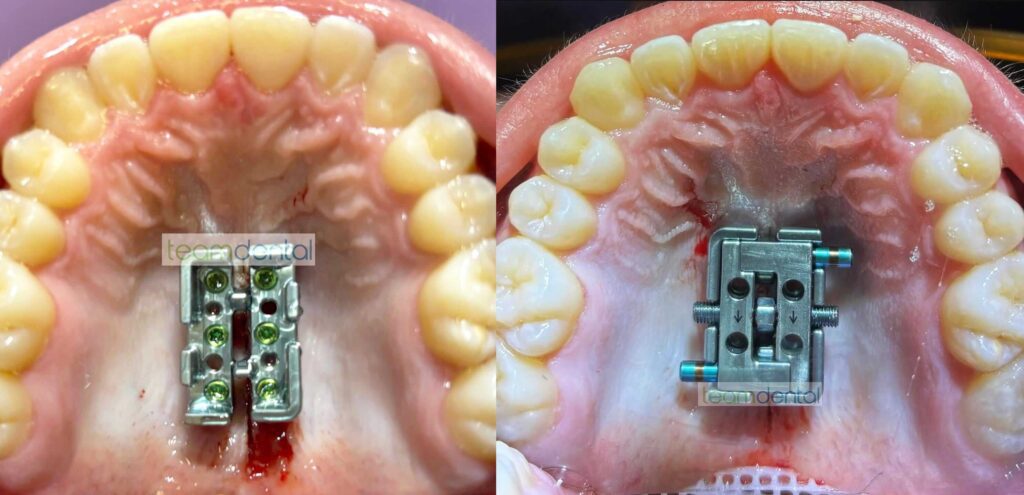
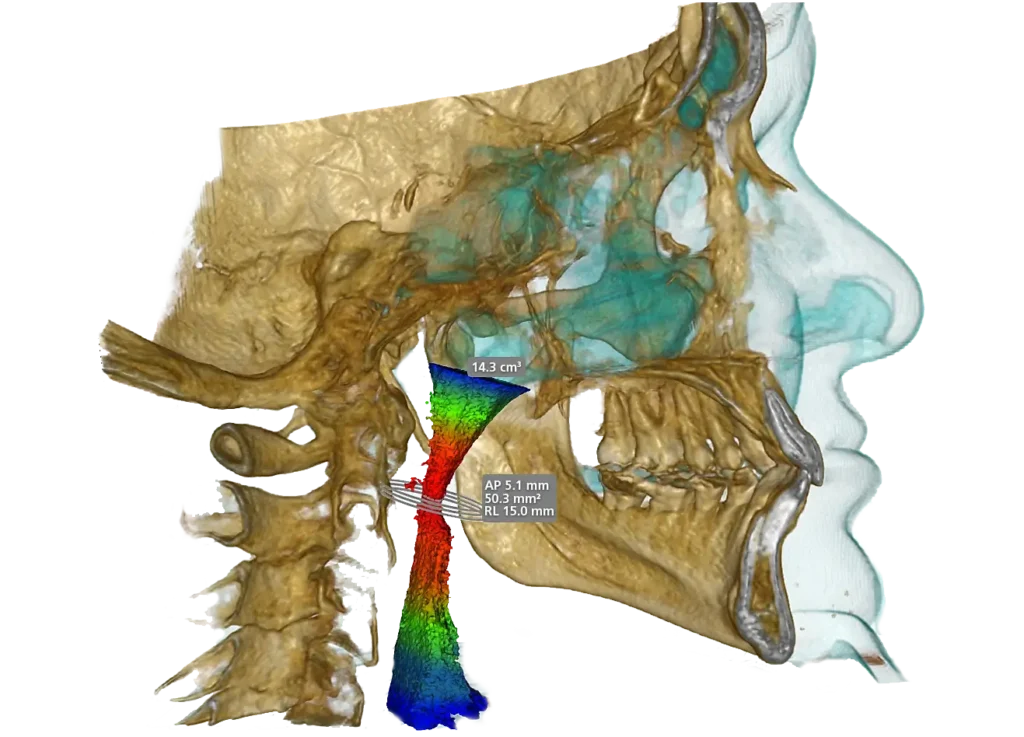
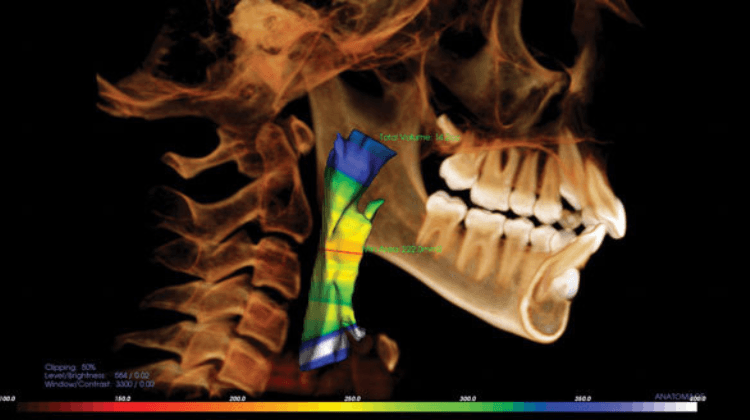
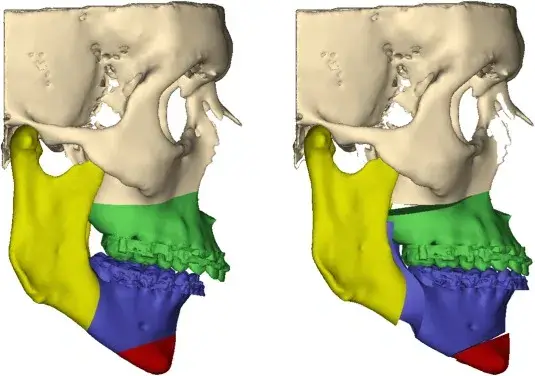
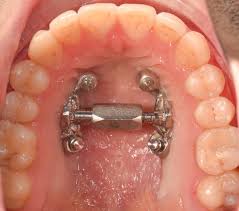
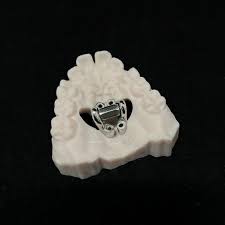
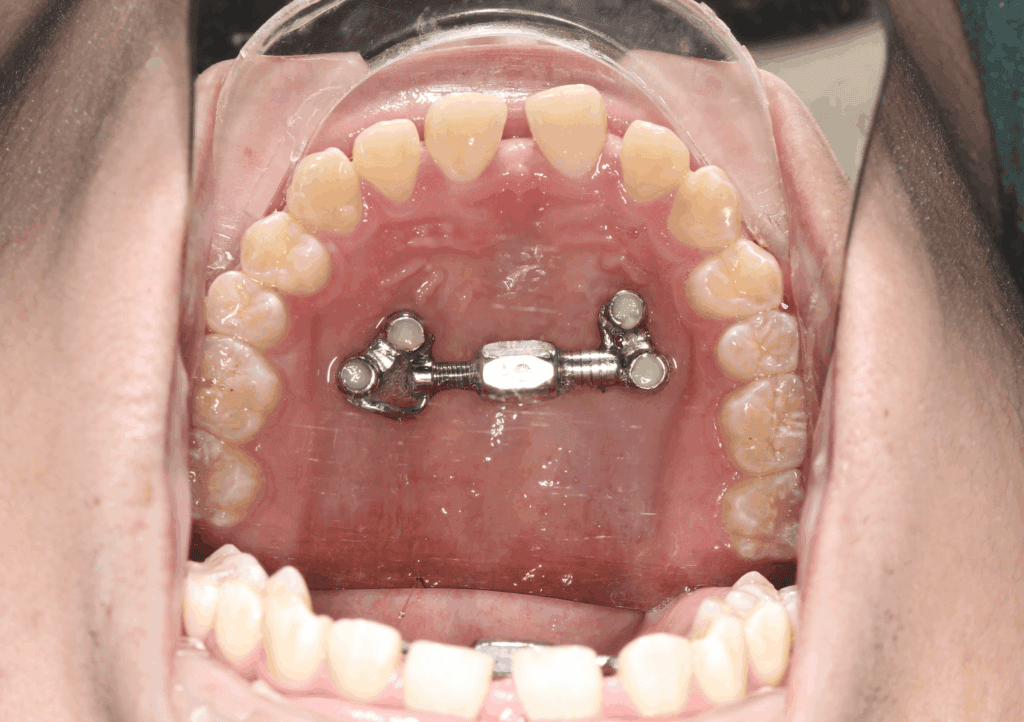
Orthodontics isn’t only about a straighter smile – or many adults, it’s also about how well they breath and sleep. Airway-focused orthodontics looks at the relationship between your jaw, your airway, and your breathing, and treats the underlying structure rather than just the symptoms. For adults with a narrow upper jaw, Dr. Dadjoo offers MARPE (micro-implant assisted rapid palatal expansion) — a nonsurgical way to widen the jaw that isn’t available with traditional orthodontics once you’re past your teenage years.
What is Airway-Focused Orthodontics?
Airway-focused orthodontics evaluates how your teeth, jaw, and airway work together — not just how your teeth line up. Instead of treating crowding or a narrow bite as a cosmetic issue alone, this approach looks at whether an underdeveloped jaw or narrow palate might also be restricting your airway, contributing to problems like mouth breathing, snoring, or poor sleep quality. Treating the underlying structure, rather than the symptoms alone, is the goal.
Why It Matters to See An Orthodontist
Airway and jaw-expansion treatment has become popular, and you’ll find general dentists now marketing “airway” services alongside orthodontists. The distinction matters: orthodontists complete two to three additional years of specialized residency training beyond dental school, focused entirely on how the jaw grows, how the bite develops, and how teeth and bone respond to movement — the exact expertise these treatments require. Dr. Dadjoo is a board-certified orthodontist and a published author in peer-reviewed dental journals. Whatever provider you choose for airway or expansion treatment, make sure it’s a board-certified orthodontist evaluating your case.

Traditional dentistry and orthodontics addresses teeth. Airway Orthodontics goes deeper addressing the root cause of many health and aesthetic issues by optimizing jaw development, tongue posture, and nasal breathing.
MARPE
What is MARPE?
MARPE stands for micro-implant assisted rapid palatal expansion. Its a nonsurgical way to widen a narrow upper jaw in adults and older teens.
Patients whose jaws have already finished growing need more than a traditional palatal expander (built for children with patent sutures). Adults and older teens are a candidate for MARPE. For many adults, MARPE offers a meaningful alternative to surgical jaw expansion, with a shorter recovery.
Small mini-implants are anchored directly into the jaw bone and connected to an expander. Turning the expander gradually widens the palate over several weeks, using the bone itself rather than relying on tooth movement.
Signs You Might Be a Candidate
You may be a candidate for airway-focused treatment or MARPE if you experience:
- A narrow palate or crowded teeth that developed from a narrow jaw
- Chronic mouth breathing instead of nasal breathing
- Snoring or restless sleep
- Waking up tired despite a full night’s sleep
- Mild to moderate sleep-disorders breathing
- A bite that feels too tight or crowded for traditional orthodontics to fully resolve
What to Expect
- A consultation and airway/jaw evaluation with Dr. Dadjoo to see whether MARPE or an airway-focused approach fits your situation.
- Placement of the mini-implants and expander — a quick, in-office procedure.
- Daily activation of the expander over several weeks to gradually widen the jaw.
- Follow-up braces or Invisalign, in most cases, to fine-tune tooth position once the jaw has expanded.
Precision Planning with Digital Scans, CBCT, & 3D Appliance Design
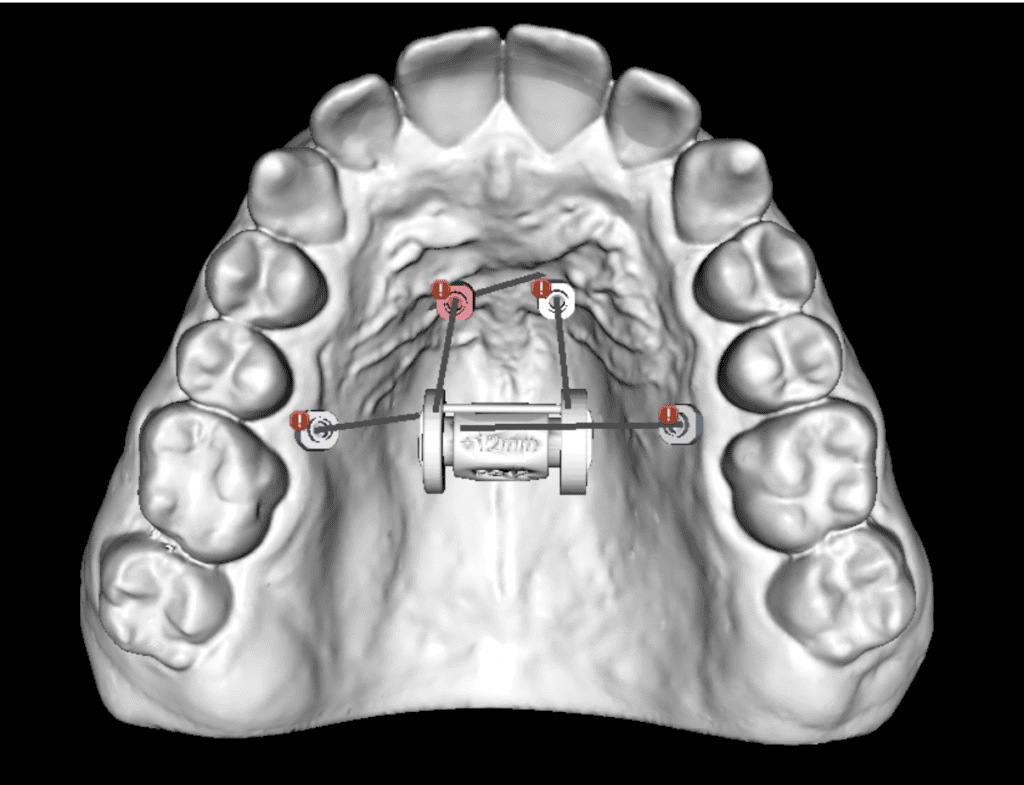
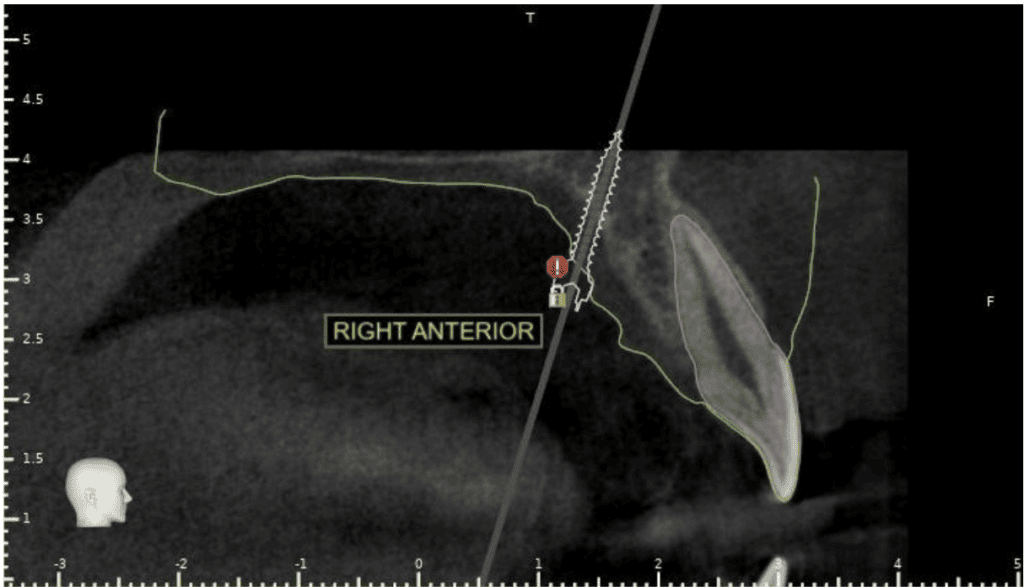
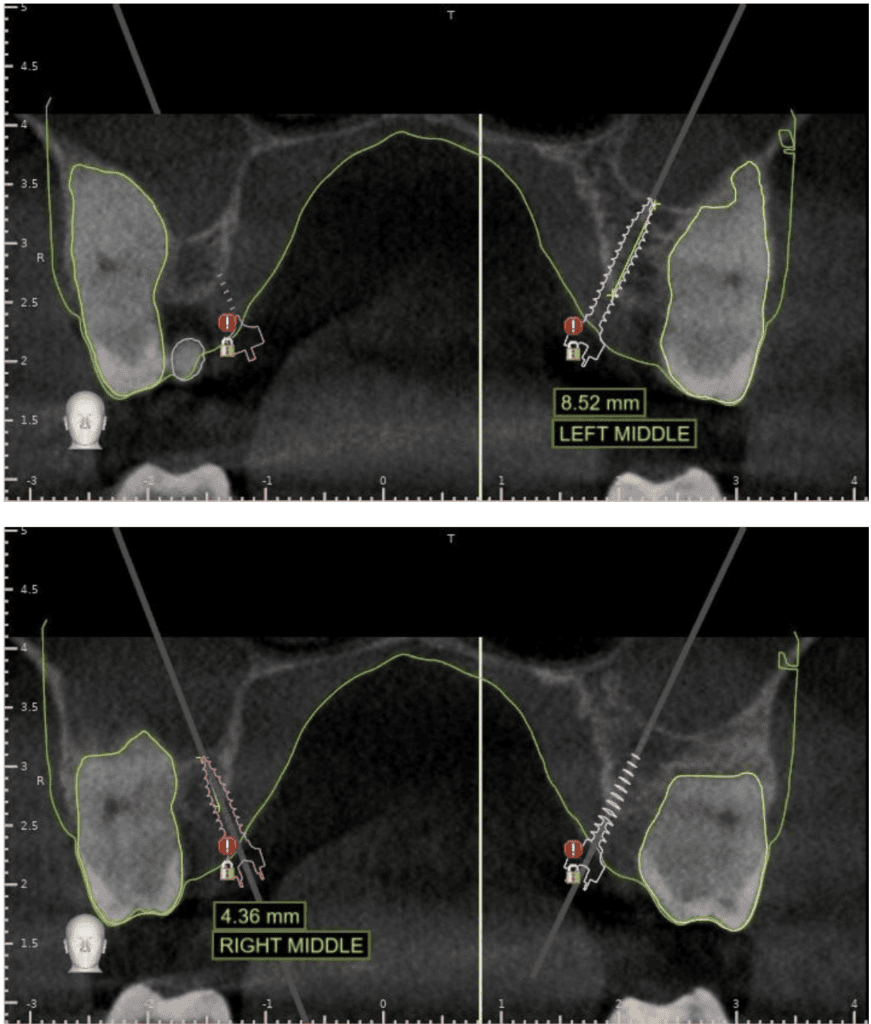
Before any mini-implants are placed, Dr. Dadjoo builds a complete digital picture of your jaw. An intraoral scanner captures a precise 3D model of your teeth and gums in minutes — no messy impressions. A CBCT (cone beam CT) scan then maps the actual bone structure of your palate and jaw in three dimensions, showing exactly where bone is thick enough to safely anchor mini-implants, and where roots, nerves, or your sinus floor need to be avoided. Combining the scan and CBCT data, your treatment is digitally designed before your appointment — TAD (mini-implant) placement sites are mapped out in advance, and in many cases the expander appliance itself is custom-designed to fit your mouth precisely. The result is a more predictable procedure, with far less guesswork on the day of placement.
FAQ
The exact cause of TMJ disorders can be difficult to pinpoint, as they often result from a combination of factors such as jaw injury, genetics, arthritis, or habits like teeth grinding.
Some TMJ symptoms can improve without treatment, especially with mild cases. However, persistent or severe symptoms may require intervention to prevent worsening.
Yes, there are jaw exercises designed to strengthen the jaw muscles, increase mobility, and reduce symptoms. It’s important to perform these exercises under the guidance of a healthcare professional to ensure they’re done safely and effectively.
Surgery is generally considered a last resort and is only recommended when other treatments have failed to relieve symptoms. Non-invasive treatments are effective for many people.