Overbite vs. Underbite
Understanding the Differences and Treatment Options: Overbite vs Underbite
When it comes to dental alignment, terms like overbite and underbite are often mentioned, but what do they actually mean? These conditions describe how your upper and lower teeth come together when your mouth is closed. Misalignments like these can affect your bite, appearance, and even oral health. In this post, we’ll break down the definitions, explore treatment options like braces and Invisalign, and discuss how specific tools, such as Class II and Class III elastics, are used to correct these issues. Plus, we’ll share an expert insight from Dr. Dadjoo about a common confusion between overbite and overjet.
What Is an Overbite?
An overbite occurs when the upper front teeth overlap the lower front teeth vertically more than normal. A slight overbite is common and often doesn’t require treatment, but a significant overbite—where the upper teeth cover the lower teeth excessively—can lead to issues like jaw pain, tooth wear, or difficulty chewing.

What Is an Underbite?
An underbite, on the other hand, is when the lower front teeth sit ahead of the upper front teeth when the mouth is closed. This misalignment can make the lower jaw appear more prominent and may cause problems with biting, speaking, or even breathing. Underbites are often linked to jaw structure and may require more comprehensive treatment.

Expert Insight: Overbite vs. Overjet
In summary, understanding the differences between overbite vs underbite is crucial for identifying the right treatment approach and maintaining optimal oral health.
Dr. Dadjoo, a board certified orthodontist, notes that many patients confuse overbite with overjet. While an overbite refers to vertical overlap, an overjet is the horizontal protrusion of the upper front teeth beyond the lower ones. Not everybody has gone to Dental School and Orthodontic Residency, but know you know too!

Treatment Options: Braces and Invisalign
Correcting overbites and underbites often involves orthodontic treatment, with two popular options being traditional braces and Invisalign.
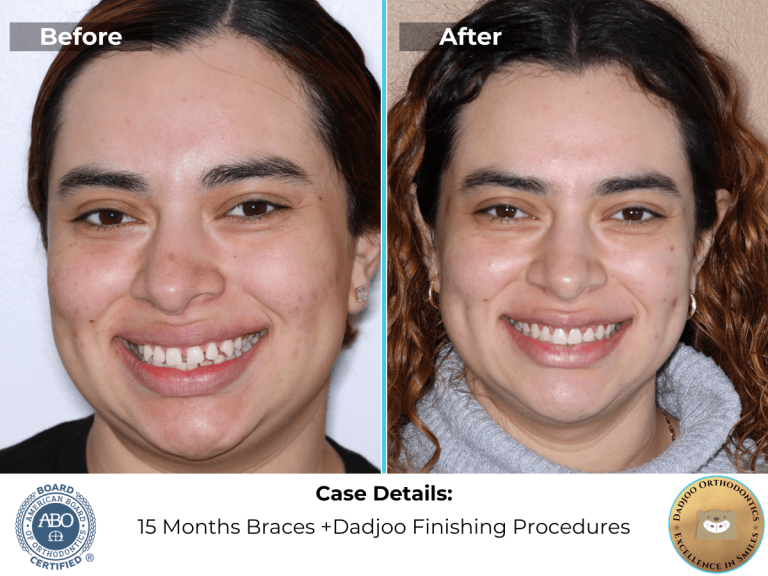
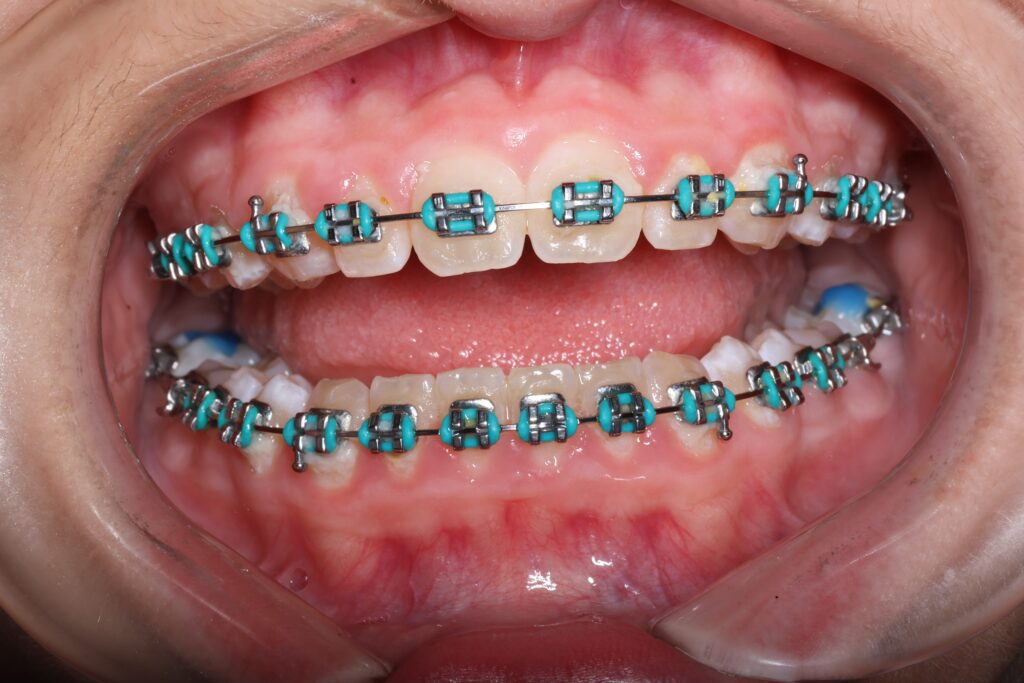
- Braces: These consist of metal brackets and wires that gradually move teeth into proper alignment. Braces are highly effective for complex cases, including severe overbites and underbites, as they allow precise control over tooth and jaw movement.
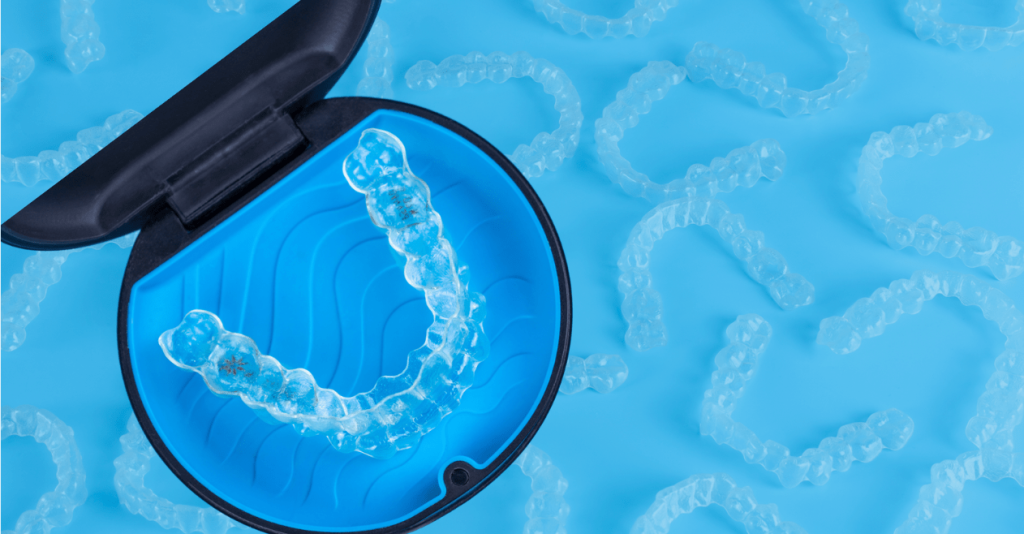
- Invisalign: This system uses clear, removable aligners to shift teeth. Invisalign is a discreet option, ideal for mild to moderate overbites or underbites, but it may not be suitable for severe cases requiring significant jaw adjustment.
Your orthodontist will assess your condition to recommend the best option based on the severity of the misalignment and your lifestyle preferences.
Class II Elastics for Overbites
For patients with an overbite, orthodontists often use Class II elastics as part of treatment with braces or Invisalign. These small rubber bands connect the upper front teeth to the lower back teeth, typically running diagonally from the upper canines or incisors to the lower molars. The elastics apply gentle pressure to pull the upper teeth back and the lower teeth forward, reducing the vertical overlap and aligning the bite. Consistent wear, as directed by your orthodontist, is key to achieving results.
Class III Elastics for Underbites
For underbites, Class III elastics are commonly used. These elastics work in the opposite direction of Class II elastics, connecting the lower front teeth to the upper back teeth (e.g., from the lower canines to the upper molars). This setup helps pull the lower teeth back and the upper teeth forward, correcting the underbite by aligning the jaws. As with Class II elastics, wearing Class III elastics as prescribed is essential for effective treatment.
Causes and Treatment Options for Overbite and Underbite
Overbites and underbites are common dental misalignments that can affect both function and appearance. Understanding their causes and the range of treatment options available can help you make informed decisions about your orthodontic care. Below, we explore the causes of overbites and underbites and introduce various treatment options, from traditional braces to advanced surgical interventions.
Causes of an Overbite
An overbite occurs when the upper front teeth excessively overlap the lower front teeth vertically. Several factors can contribute to this condition:
- Short Mandible and Genetics: A naturally shorter lower jaw (mandible) can cause the upper teeth to protrude over the lower ones. Genetic predisposition often plays a significant role, as jaw structure and tooth alignment are inherited traits.
- Mouth Breathing: Chronic mouth breathing, often due to nasal congestion or allergies, can alter jaw development, particularly in children, leading to an overbite.
- Jaw Trauma: Injury to the jaw, especially during developmental years, can disrupt normal growth and result in an overbite.
- Thumb Sucking: Prolonged thumb sucking or pacifier use in childhood can push the upper teeth forward, contributing to an overbite.

Causes of an Underbite
An underbite occurs when the lower front teeth sit ahead of the upper front teeth, often giving the lower jaw a more prominent appearance. Common causes include:
- Long Mandible and Genetics: A longer-than-normal lower jaw, often inherited, can cause the lower teeth to extend beyond the upper teeth.
- Poor Maxillary Development: Underdevelopment of the upper jaw (maxilla) can result in an underbite, as the upper teeth fail to align properly over the lower ones.
- Tongue Tie: There is some evidence suggesting a higher likelihood of tongue tie (a condition where the tongue’s movement is restricted) in individuals with underbites. This may affect oral development and contribute to misalignment.
Treatment Options for Overbites and Underbites
Correcting overbites and underbites often requires orthodontic intervention, and in some cases, surgical approaches. The choice of treatment depends on the severity of the condition, the patient’s age, and their preferences. Here are the primary options:
- Braces: Traditional metal or ceramic braces use brackets and wires to gradually move teeth into proper alignment. They are highly effective for correcting both overbites and underbites, especially when combined with other tools like elastics.
- Invisalign: These clear, removable aligners offer a discreet alternative to braces. Invisalign is suitable for mild to moderate overbites and underbites but may not be ideal for severe cases requiring significant jaw adjustment.
- Elastics: Orthodontic elastics (rubber bands) are often used with braces or Invisalign.
- Class II Elastics are used for overbites, connecting the upper front teeth to the lower back teeth to pull the upper teeth back and the lower teeth forward.
- Class III Elastics are used for underbites, connecting the lower front teeth to the upper back teeth to pull the lower teeth back and the upper teeth forward.
- Class II Correctors: Devices like Herbst appliances or Forsus springs are fixed orthodontic tools that encourage forward movement of the lower jaw to correct overbites, often used in growing children.
- Facemask: A facemask is a removable device worn outside the mouth, typically for underbites. It applies forward pressure to the upper jaw to promote its growth and correct the bite, often used in younger patients.
- Orthognathic Surgery: For severe overbites or underbites, especially in adults with significant jaw misalignment, orthognathic surgery may be recommended. This involves repositioning the upper or lower jaw to achieve proper alignment, often in combination with braces or Invisalign.
- TADs (Temporary Anchorage Devices): These small titanium screws are temporarily placed in the jawbone to provide stable anchor points for moving teeth. TADs can enhance the precision of tooth movement in complex overbite or underbite cases.
- MARPE (Miniscrew-Assisted Rapid Palatal Expansion) with Facemask: MARPE is used to expand the upper jaw in cases of poor maxillary development, often seen in underbites. When combined with a facemask, it helps promote forward growth of the maxilla, particularly in younger patients.
Treatment Times
The duration of treatment for overbites and underbites varies depending on the patient’s age, the severity of the misalignment, and the treatment modality used. Here are typical timelines:
- Phase I Treatment (Young Children): When treatment begins early (often around ages 7–10), it is referred to as Phase I. This initial phase typically lasts 9–12 months and focuses on guiding jaw growth and correcting early misalignments. Phase I is usually followed by a second phase in the early teenage years (around ages 11–14), which lasts approximately 18 months to fine-tune alignment and ensure long-term stability.
- Single-Phase Treatment (Teen Years): For teens who begin treatment later (around ages 11–16), a single comprehensive phase is often sufficient. This typically takes about 24 months to correct overbites or underbites using braces, Invisalign, or other tools.
- Adult Treatment: In adults, treatment tends to take longer due to slower bone remodeling and fully developed jaws. Depending on the treatment modality (e.g., braces, Invisalign, Herbst appliances, TADs, or orthognathic surgery), adult cases typically require 24–30 months to achieve optimal results.
Frequently Asked Questions (FAQ)
Q: Can overbites or underbites fix themselves without treatment?
A: Mild overbites or underbites may not always require treatment, but significant misalignments typically do not resolve on their own. Untreated severe cases can lead to issues like jaw pain, tooth wear, or speech difficulties. Consulting an orthodontist is the best way to determine if treatment is needed.
Q: Is Invisalign as effective as braces for correcting overbites and underbites?
A: Invisalign can be effective for mild to moderate cases, but braces are often preferred for severe overbites or underbites, especially when significant jaw correction is required. Your orthodontist will recommend the best option based on your specific condition.
Q: Are elastics uncomfortable to wear?
A: Class II and Class III elastics may cause mild discomfort initially, but most patients adjust quickly. Consistent wear as prescribed is crucial for effective treatment.
Q: At what age should treatment for overbites or underbites begin?
A: Early treatment (Phase I, ages 7–10) can be beneficial for guiding jaw growth, especially for severe cases. However, treatment can also be effective in teens (single-phase, ages 11–16) or adults, though it may take longer.
Q: Is orthognathic surgery always necessary for severe cases?
A: Not always. Less invasive options like braces, Invisalign, TADs, or MARPE may suffice for some severe cases, especially in younger patients. Surgery is typically reserved for adults with significant jaw misalignment that cannot be corrected with orthodontics alone.
Q: How do I know if I need a facemask or MARPE?
A: A facemask or MARPE is often recommended for underbites caused by poor maxillary development, particularly in children or teens whose jaws are still growing. An orthodontist will assess your jaw structure to determine if these treatments are appropriate.
People Also Ask
Q: Where can I find an orthodontist in Porter Ranch to treat an overbite or underbite?
A: Porter Ranch is home to Dadjoo Orthodontics, we specialize in treating overbites and underbites. Please book a consultation here. braces, Invisalign, or advanced treatments like TADs and MARPE.
Q: How much does Invisalign cost in Porter Ranch for correcting an overbite?
A: The cost of Invisalign in Porter Ranch varies based on the complexity of the case and the provider. On average, Invisalign treatment can range from $3,000 to $7,000. Contact us for a personalized quote or to check if they offer payment plans.
Q: Are there pediatric orthodontists in Porter Ranch for Phase I treatment?
A: Yes, Dadjoo Orthodontics in Porter Ranch specializes in early treatment (Phase I) for children of all ages. Dr. Dadjoocan assess whether your child needs early intervention for an overbite or underbite and recommend treatments like braces or a facemask.
Q: Can I get orthognathic surgery consultations in Porter Ranch?
A: While orthognathic surgery may require coordination with oral surgeons, Dadjoo Orthodontics works closely with specialists in the San Fernando Valley and Los Angeles to provide consultations and comprehensive treatment plans for severe overbites or underbites.
Q: How do I know if my child in Porter Ranch needs a facemask for an underbite?
A: If your child has an underbite, Dr. Dadjoo a board certified orthodontist can evaluate their jaw development using X-rays and exams. Facemasks are often recommended for children with poor maxillary development, typically in Phase I treatment, to guide jaw growth.
Q: Are TADs or MARPE available at Porter Ranch orthodontic clinics?
A: Many advanced orthodontic techniques are stocked in our Porter Ranch office. We pride ourselves on offering cutting-edge treatments like TADs and MARPE for complex overbite and underbite cases. Check with our office to confirm availability and expertise in these procedures.
Conclusion
For Porter Ranch residents, overbites and underbites can stem from genetic factors, jaw development issues, habits like thumb sucking, or trauma. With a variety of treatment options available—from braces and Invisalign to advanced interventions like TADs, MARPE, and orthognathic surgery—local orthodontists can tailor solutions to each patient’s needs. Treatment times vary from 9–12 months for early Phase I treatment to 24–30 months for adults, depending on the complexity and tools used. If you’re in Porter Ranch and have questions about your bite or treatment options, consult Dr. Dadjoo a board certified orthodontist for a personalized plan to achieve a healthy, aligned smile.